
On the 11th of August 2007, Sophie Lancaster and her boyfriend Robert Maltby were beaten in a vicious attack in a park. A group of teenage boys struck up a friendly conversation with them, invited them to hang out, and then beat them both to unconsciousness, unprovoked. Maltby survived, Lancaster died from her horrifying injuries. Police believed the attack could’ve been related to the couple’s involvement in the goth subculture. I think it’s definitely the case.
Standing out and defying social norms is dangerous. It can get you berated, harrassed, attacked. Killed. I consume a lot of true crime content, but this case stuck with me and kept me up at night. The graphic details, the heartbreaking family statements. But it felt close to home because I’ve felt unsafe being a goth at night. Nights out in my hometown are fun, but come with a sense that I should tone myself down to be palatable to the violent thugs of the world.
I’m interested in what has changed, nearly 19 years on, for alternative people in the UK. Are we safer? How have things changed with the rapid growth of social media since 2007? I’m the president of my uni’s Goth Society, a community I created to boost a thriving goth scene in York and connect people. I’ve asked them their thoughts.
The Sophie Lancaster Foundation

Following the murder, Lancaster’s parents set up a charity in her name with three objectives. The first is to celebrate her life, the second to challenge intolerance against the alternative community through education, and the third to campaign to class violence against alternative people as a hate crime.
The charity speaks at schools, campaigns for law changes and supports alternative gigs to keep the subculture alive. I myself have a few pieces of jewellery from their shop, which I highly recommend as a way to support the cause.
Rural vs. city mindsets
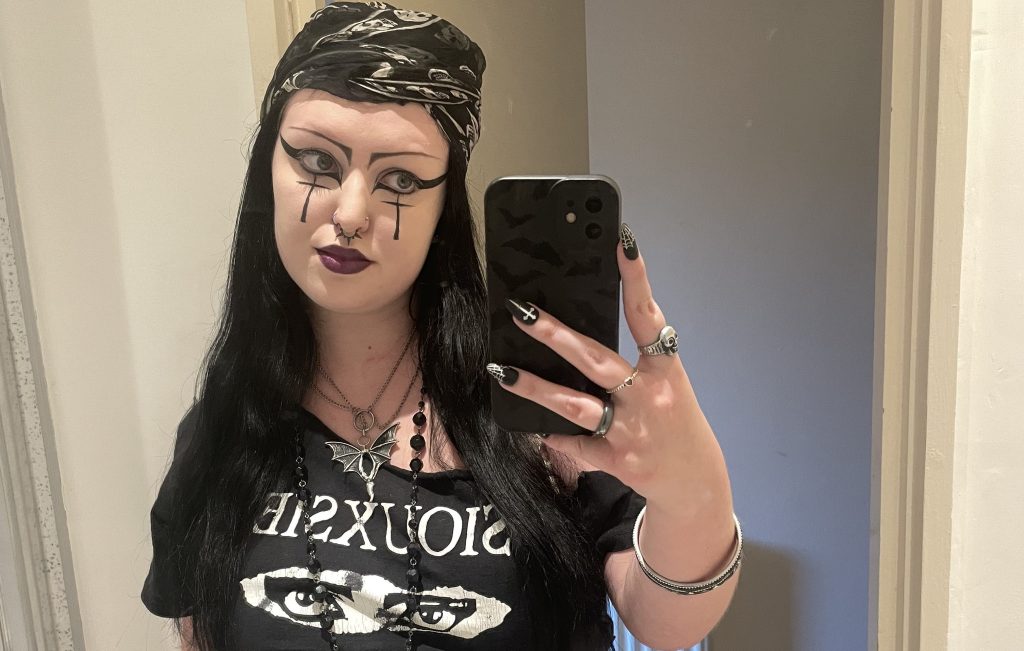
Based on what my society members told me, there seems to be a strong divide between the perceptions of alternative people in rural and city areas. For me, my hometown is Colchester and I’m currently living in York for university, and I’ve definitely noticed a difference. Colchester is where I’d get things shouted at me, but in York, nobody bats an eyelid.
To me it’d be silly anyway to insult an alternative person in York, since the city is known for haunted tours and mini ghost figures. But it seems that cities more generally contain liberalised, more open-minded people. In cities, you’d see so many people, a strange looking one wouldn’t cause uproar, but if the only person you’d seen that day in your village looked like Dracula, perhaps it would cause a stir.
One of my members said, “living in a small town I was shouted at daily, but moved to a city and it barely happened,” which perfectly demonstrates this divide. Perhaps city dwellers are more tolerant than people from rural areas, perhaps they’ve seen more unique things. “A group of boys once followed my friends and I at night through a village while shouting at us,” said another, welcoming gender into the conversation. Are boys more likely to have the confidence to harass people in the street, is it a question of maturity?
The rise of social media

Forget MySpace, welcome TikTok. The digital world is booming with more popularity than ever before, with many young people trying their hand at content creation. This has meant that every possible subculture is represented in the online world, with goth content creators constantly growing. Ideas and subcultures are shared, and if I’m being optimistic, tolerance is developed.
Except we get goth fetish porn. And the ‘goth dommy mommy.’ And the sexualisation of alternative women. “I want her to ruin my life.” “I want a mentally ill goth girl.” We stop being human beings and become objects. We aren’t ridiculed so much anymore but fetishised, objectified, sexual playthings.
We’re no longer conventionally unattractive and gross, but the exact opposite. One of my members said they’d noticed a “change from when [they] were younger being ‘it’s not Halloween yet’ and people crossing to the other side of the road, to being hypersexualised and seen as a kinky porn category.” This very stark, distinct change is interesting to me, and I’m not sure how we had such a drastic shift.
So, 19 years on from Sophie Lancaster’s murder, change is actively being made and mindsets are shifting. Cities are more tolerant, subcultures are spreading and education is happening. But we’re not there yet. We’re still being harassed and ridiculed, but now we have a newer problem. We’re being sexualised, objectified, porn-ified. I don’t want to end this on a negative note, because like with all things, I’m optimistic! I’m grateful for the changes that have already been made, and I’m hopeful for many more to come.
 Diary of a Happy Goth
Leave a comment